He Can Heal Cancer: A Comprehensive Evaluation for Crafting Projects
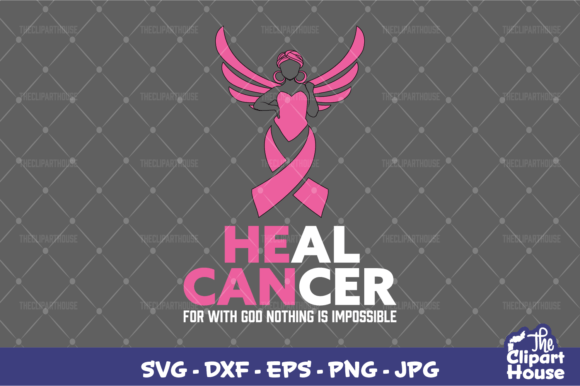
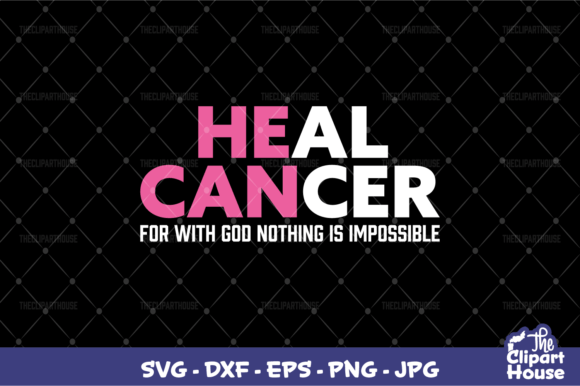
In the landscape of digital design and crafting, specific phrases often carry profound weight beyond their literal meaning. He Can Heal Cancer represents a statement of faith and hope that has resonated with many individuals seeking to express support, comfort, or spiritual conviction through visual media. For crafters utilizing electronic cutting machines like Cricut and Silhouette, this phrase offers a versatile design element suitable for a wide array of personal and commercial applications.
This evaluation explores the utility, application methods, and practical considerations associated with using this design in your creative projects. Whether you are creating custom apparel, party supplies, or business materials, understanding the technical requirements and potential use cases is essential for achieving professional results.
Understanding the Design and Its Applications
The core value of the He Can Heal Cancer design lies in its adaptability. It is not merely a graphic but a message intended to be shared across various mediums. The design is typically optimized for vector-based workflows, allowing it to scale without losing quality. This makes it particularly valuable for creators who need to produce items ranging from small stickers to large wall decals.
Crafters often seek out designs that convey strong emotional messages while remaining visually balanced. When evaluating this specific phrase, users consider how the typography interacts with the sentiment. The design serves as a tool for expression, enabling individuals to create personalized gifts, support merchandise, or home decor that reflects their beliefs.
Compatible Cutting Machines and Software
The primary advantage of this design format is its compatibility with industry-standard equipment. Users can easily integrate these files into software ecosystems such as Cricut Design Space, Silhouette Studio, and other third-party applications. The versatility ensures that regardless of the hardware brand a user prefers, the design remains accessible and functional.
- Cricut: Compatible with all models capable of handling vinyl, HTV (Heat Transfer Vinyl), and cardstock.
- Silhouette: Works seamlessly with Cameo and Portrait series for precise cutting and weeding.
- Other Machines: Suitable for laser cutters and plotters that accept standard vector formats.
File Formats and Technical Requirements
To ensure maximum flexibility, the downloadable package includes multiple file types, each serving a specific purpose in the production workflow. Understanding the function of each format is crucial for efficient project management.
- SVG File: This is the preferred format for most cutting machines. It allows for non-destructive scaling and layer editing within design software, making it ideal for complex cuts involving different colors or materials.
- PNG File: A raster image perfect for printing on sticker paper or transferring directly to heat press machines that do not require vector paths.
- JPEG File: A standard image format useful for quick previews or basic printing tasks where vector data is unnecessary.
- EPS File: An industry-standard vector format compatible with professional graphic design software like Adobe Illustrator, offering high precision for advanced editing.
- DXF File: Widely used in CAD and laser cutting applications, ensuring the design can be processed by a broad range of industrial and hobbyist machinery.
To access these resources, users must utilize a zip extraction program. Once extracted, the files can be imported into the chosen design platform. This multi-format approach eliminates common barriers to entry, allowing both beginners and experienced designers to work with the content immediately.
Ideas for Implementation
The versatility of the He Can Heal Cancer design extends to numerous product categories. Creators can leverage this content to generate unique items that serve functional or decorative purposes.
Clothing and Apparel
One of the most popular applications is Heat Transfer Vinyl (HTV) for clothing. By applying the design to t-shirts, hoodies, or tote bags, users can create wearable statements of support. This method requires careful attention to temperature settings and pressure to ensure the vinyl adheres correctly and withstands washing.
Stationery and Invitations
The design is equally effective for paper crafts. Using the PNG or JPEG files, creators can print custom invitations for church events, support groups, or fundraising parties. Additionally, the vector files allow for die-cutting invitations, adding a tactile dimension to the communication.
Stickers and Decals
For those interested in branding or personalization, the design works well as a sticker. Using permanent vinyl, these can be applied to water bottles, laptops, or vehicle bumpers. The durable nature of vinyl ensures the message remains visible over time.
Business and Digital Assets
Beyond physical goods, the design supports digital integration. It can be utilized in website headers, social media graphics, or email signatures to reinforce a brand's mission. Business cards featuring this message can help establish trust and connection with clients who share similar values.
Weighing Benefits and Considerations
When deciding whether to incorporate this design into your inventory or personal projects, it is important to evaluate both the advantages and the logistical challenges involved.
Benefits of Using This Design
- Versatility: The inclusion of five distinct file formats covers almost every crafting scenario, from screen printing to laser engraving.
- Emotional Resonance: The message connects deeply with audiences seeking hope, potentially increasing engagement for charitable causes or community gatherings.
- Ease of Use: Standardized file structures mean minimal setup time is required before starting a project.
Tradeoffs and Practical Considerations
While the design offers significant utility, there are factors to consider regarding material costs and production complexity. Creating high-quality apparel requires investment in quality vinyl and a reliable heat press. Similarly, producing stickers involves purchasing specific adhesive materials that adhere well to various surfaces.
Furthermore, while the design is technically robust, the success of the final product depends heavily on the skill level of the operator. Factors such as weeding accuracy, alignment during pressing, and post-application care can influence the durability of the finished item. Users should assess their current skill set and equipment capabilities before committing to large-scale production runs.
Determining Suitability for Your Goals
Deciding to use the He Can Heal Cancer design should align with your specific objectives. If your goal is to create meaningful, personalized items for a niche audience, this design provides a strong foundation. It is particularly well-suited for:
- Church ministries and religious organizations looking to distribute support materials.
- Non-profit groups organizing awareness campaigns or fundraisers.
- Hobbyists creating custom gifts for friends or family facing health challenges.
- Small business owners specializing in inspirational or faith-based merchandise.
However, if your focus is strictly on generic, mass-market trends unrelated to spiritual or supportive themes, this design may not align with your brand identity. In such cases, exploring alternative designs that better reflect your target demographic might yield more effective results.
Conclusion
The He Can Heal Cancer design serves as a powerful tool for creatives aiming to blend technical craftsmanship with meaningful messaging. With comprehensive file support for Cricut, Silhouette, and other cutting machines, it offers a practical solution for generating diverse products ranging from apparel to stationery. By understanding the technical requirements and aligning the design with appropriate goals, users can effectively utilize this resource to create impactful projects. Whether for personal expression or commercial enterprise, the decision to use this design ultimately rests on the creator's ability to match the message with the medium.