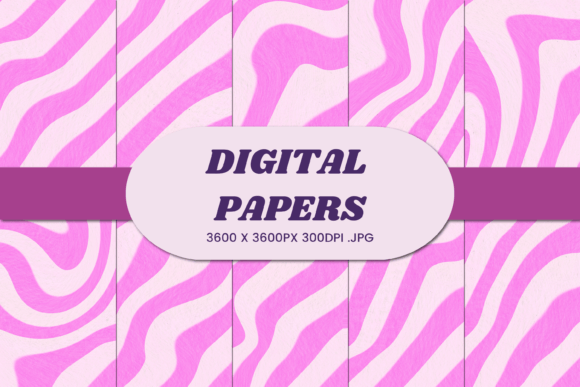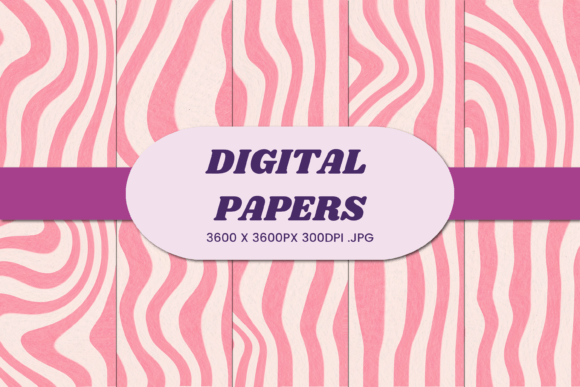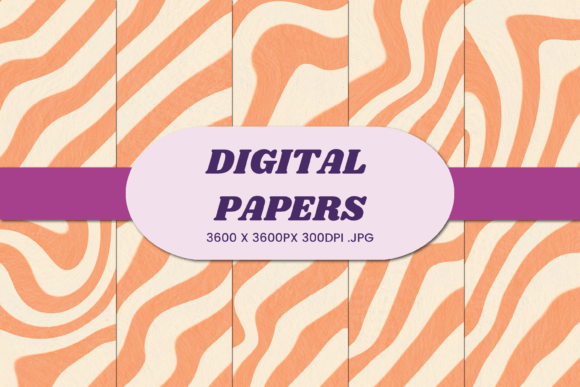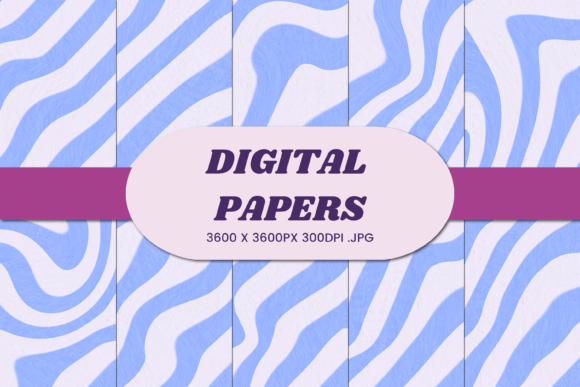
Retro Groovy Green 1 Digital Paper: A Comprehensive Evaluation
In the landscape of digital design assets, finding a pattern that balances aesthetic appeal with functional versatility is essential for creators and business owners alike. Retro Groovy Green 1 Digital Paper has emerged as a specific resource designed to meet these needs through its distinct visual style and broad application potential. This article provides an objective analysis of this digital paper, exploring its specifications, practical use cases, and the factors users should consider before integrating it into their projects.
Understanding the Asset Specifications
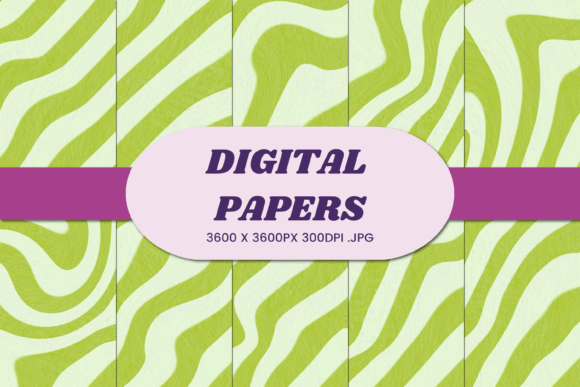
Before evaluating the creative potential of any digital asset, it is crucial to understand the technical foundation upon which it is built. Retro Groovy Green 1 Digital Paper is delivered as a collection of high-resolution files intended for professional and commercial output. The package includes 10 distinct JPG files, each measuring 3600×3600 pixels. When printed at standard dimensions, this resolution translates to 12×12 inches at 300 DPI (dots per inch).
The 300 DPI specification is a critical benchmark for print quality. It ensures that when the image is reproduced on physical media, the details remain sharp and free from pixelation or blurriness. For designers working on sublimation or direct-to-garment printing, this resolution is often the minimum requirement for professional results. The inclusion of 10 variations within the set allows for flexibility without requiring the purchase of multiple separate products, providing a cohesive yet diverse palette for design workflows.
Primary Applications and Use Cases
The versatility of Retro Groovy Green 1 Digital Paper stems from its ability to serve as both a background texture and a primary design element. Its retro-inspired green aesthetic makes it particularly suitable for projects aiming to evoke nostalgia, nature themes, or vintage vibes. Below are the primary categories where this asset finds significant utility:
- Apparel and Merchandise: The high resolution makes it ideal for sublimation processes used in creating T-shirts, blankets, and mugs. It can also be applied to phone cases and pillows, where the texture adds depth to the final product.
- Printed Materials: For businesses producing tangible goods, this paper works well for product packaging, book covers, and business cards. The 12×12 inch size aligns perfectly with standard scrapbooking and crafting mats.
- Digital and Social Media: Beyond physical prints, the files function effectively as digital backgrounds for social media posts, website textures, and invitations. The "groovy" style can help brands stand out in crowded feeds by offering a unique visual identity.
- Specialty Wraps: The asset is specifically noted for compatibility with 3D sublimation tumbler wraps and 3D mug wraps. These applications require seamless patterns that can wrap around curved surfaces without visible breaks, a feature supported by the high-resolution nature of the files.
Evaluating Benefits and Practical Advantages
When comparing Retro Groovy Green 1 Digital Paper to other available resources, several key benefits stand out. The most immediate advantage is the balance between file size and quality. At 300 DPI, the images are ready for production without the need for upscaling, which can often degrade image quality. This saves time in the pre-press workflow.
Furthermore, the color palette offers a specific niche appeal. In a market saturated with generic pastels or stark monochromes, the retro green tone provides a distinct character. This can be particularly beneficial for businesses targeting audiences interested in vintage aesthetics, eco-friendly branding, or mid-century modern design. The inclusion of 10 variations allows a single project to utilize different shades or patterns while maintaining a unified theme, reducing the need to source assets from multiple vendors.
Considerations and Potential Tradeoffs
While the specifications are robust, there are considerations that potential buyers should weigh. The format is strictly JPG. While widely compatible, JPG files do not support transparency. If a designer requires a transparent background to layer the pattern over another image or text without a white box surrounding it, they will need to perform additional editing work to remove the background manually. Vector formats (like SVG or EPS) would offer more flexibility in this regard, but the raster nature of this asset prioritizes ease of use for photo-based editing software like Photoshop or GIMP.
Another factor to consider is the specific "retro groovy" style. While this is a strength for certain demographics, it may not align with brands seeking a minimalist, corporate, or futuristic look. Designers must evaluate whether the specific mood conveyed by the green tones matches their brand identity. If the goal is a clean, sterile, or ultra-modern aesthetic, this pattern might introduce too much visual noise or historical context.
Situational Fit: When to Choose This Asset
Retro Groovy Green 1 Digital Paper is a strong fit for specific scenarios. It is highly recommended for crafters and small business owners who produce handmade or custom-printed goods. The 12×12 inch standard size is perfect for scrapbook layouts and card making. Similarly, for sellers on platforms like Etsy or Redbubble who focus on vintage-themed merchandise, this asset provides a ready-made solution for product mockups and actual print files.
It is also an excellent choice for event planners designing wedding invitations or party decor where a nostalgic or organic theme is desired. The high resolution ensures that large-format items like banners or backdrops will maintain clarity. Additionally, for digital marketers creating content calendars, having a consistent, high-quality background texture helps establish a recognizable visual voice across various social media channels.
When Alternatives May Be Preferable
There are situations where this specific digital paper may not be the optimal choice. If a project requires infinite scalability, such as a logo design that needs to be resized from a business card to a billboard, a vector-based pattern would be superior. Raster images like JPGs will eventually lose quality if scaled beyond their native resolution.
Additionally, if the design workflow relies heavily on non-destructive editing layers, the flat nature of a JPG might limit creative options compared to layered PSD files. Buyers looking for a more neutral or versatile pattern that fits any color scheme might find the specific green hue limiting. In these cases, searching for grayscale versions or multi-color packs could provide better long-term value.
Decision-Making Insights
To determine if Retro Groovy Green 1 Digital Paper aligns with your goals, start by auditing your current inventory of assets. Do you have a gap in your collection regarding retro or nature-themed textures? If you frequently create physical products like tumblers or apparel, the 300 DPI resolution is likely a non-negotiable requirement, making this a viable candidate.
Next, visualize the end product. Does the green tone enhance the message you want to convey, or does it distract? Test the pattern against your existing brand colors. If the combination feels harmonious and the technical specs meet your production requirements, the asset offers a cost-effective way to elevate your designs. However, if your workflow demands transparency or vector scaling, prioritize those technical features over the specific aesthetic of this pattern.
In conclusion, Retro Groovy Green 1 Digital Paper serves as a specialized tool for creators who value high-resolution, vintage-inspired aesthetics. By understanding its technical limitations and leveraging its strengths in print and sublimation applications, users can make informed decisions that enhance the quality and consistency of their creative output.