Happy 4th of July Independence Day 1776: A Guide to Creating Professional Designs
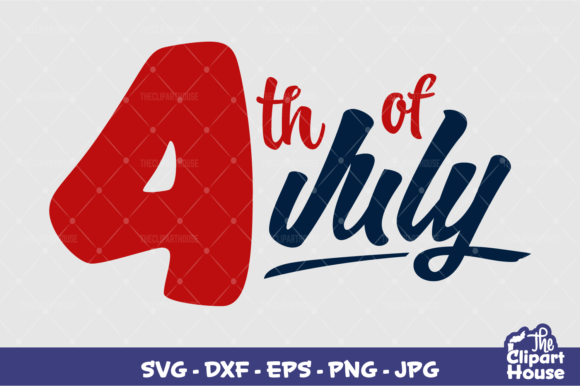
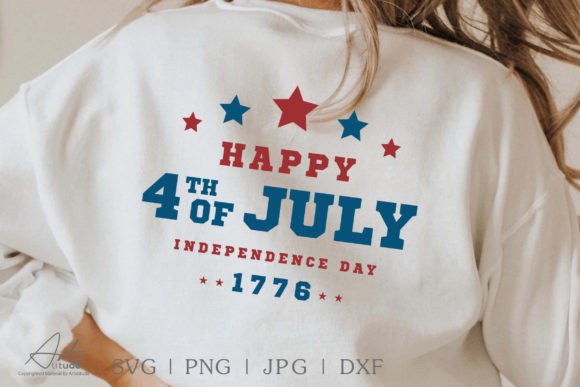
The spirit of American history comes alive every year on July 4th, but for creators and small business owners, the celebration extends far beyond a single day. When you search for Happy 4th of July Independence Day 1776, you are looking for more than just a festive greeting; you are seeking a versatile design asset that can transform your craft projects, merchandise, and marketing materials. Whether you are an experienced maker or a beginner dipping your toes into the world of digital crafting, understanding how to utilize these files correctly is the difference between a mediocre result and a professional product.
Many people assume that downloading a simple graphic file is as easy as clicking "save," but the reality of using cutting machines like Cricut or Silhouette requires a bit more attention to detail. The quality of your final output depends heavily on the format of the file you choose and how you prepare it before sending it to your machine. This guide will help you navigate the common pitfalls associated with purchasing and using these patriotic designs, ensuring your Independence Day creations stand out.
Understanding the Value of Multi-Format Files
One of the most frequent mistakes beginners make is focusing solely on the visual aspect of a design while ignoring the technical specifications of the file. A high-quality bundle designed for commercial use should not just offer a single image. When you acquire a package featuring Happy 4th of July Independence Day 1776, you need a comprehensive suite of formats to ensure flexibility across different platforms.
If you only receive a low-resolution JPG, you might find yourself stuck when trying to print large banners or cut intricate details from vinyl. Conversely, relying exclusively on vector files without raster options can limit your ability to use the design in photo editing software. The ideal collection includes:
- 1 SVG file: Essential for cutting machines. This vector format allows you to scale the design to any size without losing quality, making it perfect for t-shirts, mugs, and large signs.
- 1 DXF file: Crucial for users of Silhouette Studio or other CAD-based software that may not fully support SVGs natively.
- 1 PNG file with Transparent Background at 300 dpi: This is vital for digital marketing, social media posts, and printing on items where a white box background would ruin the aesthetic.
- 1 JPG file at 300 dpi: Useful for general viewing and compatibility with older software versions that struggle with transparency.
Without this variety, you risk having to purchase additional files later or compromising the look of your finished products. For instance, if you try to put a non-transparent PNG on a dark-colored mug, the white square around the text will be clearly visible, ruining the professional appearance of your item.
Pitfalls in Material Selection and Machine Setup
Even with the perfect file, the physical execution of your project can go wrong if you do not account for material limitations. A common error involves assuming that a design suitable for paper stationery will work equally well on rigid surfaces like mirrors or jewelry. The Happy 4th of July Independence Day 1776 design might feature fine lines or complex typography that looks great on a screen but can tear or peel if applied to curved glass or metal without proper technique.
Before you start cutting, consider the following:
- Material Compatibility: Vinyl, iron-on transfers (HTV), and cardstock behave differently. If you are creating stickers or magnets, ensure you are using adhesive vinyl rated for outdoor or indoor use depending on your needs. Using standard printer paper instead of sticker paper is a classic mistake that leads to wasted time and money.
- Machine Calibration: Beginners often skip the calibration step on their Cricut or Silhouette machines. If your blade depth or pressure settings are off, the machine might cut through the backing paper but fail to cut through the vinyl itself, leaving you with a messy "weeding" process.
- Weeding Errors: When working with detailed text like "1776," removing the excess material (weeding) requires patience. Rushing this step can cause delicate parts of the design to detach from the main body, rendering the entire piece unusable.
These oversights can significantly impact your efficiency and cost. What starts as a fun hobby project can quickly become a financial loss if you have to replace expensive materials due to preventable errors.
Evaluating File Quality Before You Buy
Not all digital downloads are created equal. As a consumer, it is your responsibility to evaluate the source of your files. Some sellers provide "lazy" conversions where the vector paths are broken or the layers are grouped incorrectly. This makes it nearly impossible to change colors or separate elements within your design software.
When reviewing a listing for Happy 4th of July Independence Day 1776, check the preview images carefully. Look for evidence of clean lines and proper layer separation. If the preview shows a flattened image where you cannot distinguish individual letters, you will struggle to customize the design for your specific brand or event. A good file should allow you to isolate the word "Independence" from "Day" so you can arrange them creatively on a banner or business card.
Furthermore, verify the resolution of the raster files. While SVG and DXF files are resolution-independent, the included PNG and JPG files must be high enough quality for printing. A file labeled "300 dpi" should actually measure up to that standard. If you attempt to print a 300 dpi file that was upscaled from a tiny web icon, you will end up with pixelated, blurry results on your invitations or posters.
Maximizing Your Design Potential
Once you have secured a high-quality bundle and avoided the common technical traps, the possibilities are endless. The versatility of these files means you can create a cohesive brand identity for your small business or a unique gift set for family members. Imagine designing a matching set of party supplies: custom invitations printed on high-quality cardstock, matching stickers for gift bags, and a large sign for your front porch.
For entrepreneurs, these files are goldmines. You can use the design to create:
- Merchandise: T-shirts, tote bags, and accessories for local markets.
- Business Assets: Logos, business cards, and website graphics that convey a sense of patriotism and professionalism.
- Home Decor: Personalized magnets, mirrors, and artwork that add a festive touch to your home.
To ensure success, always test your design on a small scale first. Cut a sample on scrap material to check the alignment and color contrast. This simple step saves you from ruining your best inventory. Additionally, consider the context of your audience. If you are targeting educators or bloggers, focus on the educational value of the design, perhaps incorporating historical facts alongside the festive text.
Moving Forward with Confidence
Crafting with digital files offers a rewarding blend of creativity and technical skill. By choosing a comprehensive file package that includes SVG, DXF, PNG, and JPG formats, you equip yourself with the tools needed for any project. Avoiding common mistakes related to material selection, machine setup, and file evaluation ensures that your final products meet the highest standards of quality.
Remember, the goal is not just to celebrate Happy 4th of July Independence Day 1776 with a generic image, but to create something meaningful and lasting. Whether you are producing items for a charity sale, a personal gift, or a full-scale online store, taking the time to understand the nuances of your tools will pay off in satisfaction and profit. Approach each project with a mindset of preparation and precision, and you will find that your creative journey is both enjoyable and successful.