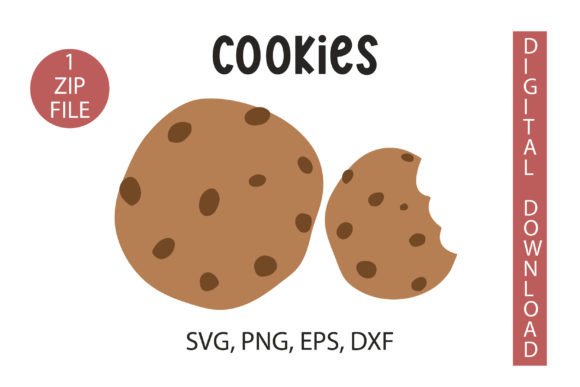
Cookies: The Versatile Asset for Professional and Creative Workflows
In the landscape of digital design and creative production, having a library of high-quality, versatile assets is often the difference between a project that stalls and one that flows seamlessly. Cookies, specifically in the form of vector graphics and scalable image files, serve as a foundational element for a wide array of professional outputs. Whether you are a small business owner crafting invitations or a marketer designing social media campaigns, the ability to manipulate these assets efficiently is crucial. This guide explores how integrating a comprehensive Cookies SVG package into your workflow can streamline your creative process, enhance output quality, and expand your portfolio capabilities.
Understanding the Asset and Its Strategic Value
The term "Cookies" in this context refers to a specific set of graphic elements designed for immediate use across various mediums. Unlike static images that lose resolution when resized, the core value lies in the inclusion of the SVG (Scalable Vector Graphics) format alongside raster formats like PNG, JPG, and EPS. For professionals aged 20 to 50 who manage multiple projects simultaneously, understanding the distinction between these file types is essential for maintaining efficiency.
An SVG file is defined by mathematical paths rather than pixels. This means that whether you are scaling an image down for a blog post favicon or up for a large-format poster, the edges remain crisp and sharp. This characteristic eliminates the need for constant re-rendering or searching for higher-resolution versions, saving valuable time during the planning and execution phases of a project. The inclusion of transparent PNGs further enhances usability, allowing these elements to be layered over any background without unsightly white boxes, which is particularly useful for web design and digital marketing materials.
The Power of Multi-Format Compatibility
One of the primary advantages of receiving a zipped file containing SVG, Transparent PNG, EPS, DXF, and JPG formats is the flexibility it offers across different software ecosystems. A designer working in Adobe Illustrator might prefer the native editing capabilities of the EPS or SVG files, while a print shop operator might require the high-resolution JPG or the cut-path precision of the DXF file for vinyl cutting machines.
This compatibility ensures that your workflow remains uninterrupted regardless of the tools you choose. You do not need to convert files manually, which reduces the risk of errors and maintains data integrity. For freelancers and entrepreneurs who often juggle clients with varying technical requirements, having all these variations in a single download provides a significant competitive edge. It allows you to deliver exactly what the client needs, whether it is a web-ready image or a print-ready vector, without additional processing steps.
Integrating Cookies into Your Creative Process
The true utility of these assets becomes apparent when they are integrated into the broader lifecycle of a project. From the initial concept phase to the final delivery, Cookies can serve as decorative accents, central themes, or branding elements depending on your needs. The key to maximizing their value lies in understanding where they fit within your existing routines.
- Pre-Production Planning: Before starting a new campaign or craft project, review your asset library. Identify where a cookie graphic can reinforce your message. For instance, if you are launching a bakery or hosting a holiday event, these elements can immediately establish a thematic tone, reducing the time spent on brainstorming visual concepts.
- Digital Implementation: During the creation of blog designs or website layouts, drag and drop the SVG files directly into your editor. Because they are vector-based, you can adjust colors and sizes instantly to match your brand guidelines without losing quality. This is particularly effective for creating consistent visual identities across email newsletters and landing pages.
- Physical Production: When moving from digital to physical, such as creating postcards, stickers, or wrapping paper, the DXF and EPS files become critical. These formats are compatible with industry-standard cutting plotters and printing software, ensuring that your physical products match the digital preview perfectly.
This seamless transition from digital planning to physical execution minimizes friction. Professionals who understand this workflow integration can produce higher volumes of work in less time, focusing more on strategy and creativity rather than technical troubleshooting.
Practical Use Cases Across Industries
The versatility of Cookies extends far beyond simple decoration. Different sectors can leverage these assets to solve specific communication challenges.
For Educators and Bloggers: Creating engaging content requires visual appeal. Teachers can use these graphics to make worksheets, certificates, or classroom decorations more inviting. Bloggers can incorporate them into headers or sidebars to break up text and improve user engagement. The transparency of the PNG files allows for easy overlay on photos, making it simple to create custom thumbnails that stand out in search results.
For Small Business Owners and Marketers: Consistency is key to building a brand. Using the same high-quality cookie graphics across business cards, invoices, and promotional posters creates a cohesive brand experience. If you are selling handmade goods, these assets can be used to create packaging designs that look professional and polished, adding perceived value to your products.
For Hobbyists and Crafters: Scrapbooking and fabric printing benefit greatly from the variety of formats provided. You can take the JPG for a quick photo album layout or use the DXF to cut intricate shapes for paper crafts. The ability to scale the design up or down means you can adapt a single asset for a small sticker or a large wall decoration, maximizing the return on your investment.
Optimizing Workflow and Quality Control
To get the most out of your Cookies assets, it is important to establish good organizational habits. Downloading the zipped file is just the first step; how you manage these files determines your long-term efficiency. Create a dedicated folder structure on your computer or cloud storage system labeled by project type or season. This prevents the common issue of lost files and makes retrieval instant when deadlines approach.
Quality control is another vital factor. Always inspect your files before finalizing a project. Check that the vectors are closed properly, especially if you plan to use them for cutting or embroidery. Verify that the transparent backgrounds in the PNGs are clean and free of halos. While the source files are typically high quality, running a quick check ensures that no artifacts appear when the file is compressed or uploaded to a specific platform.
Furthermore, consider the scalability of your designs. Since the SVG and EPS formats allow for infinite scaling, you can future-proof your assets. A design created today for a small Instagram story can be expanded tomorrow for a billboard without needing to recreate the artwork. This foresight saves resources and reduces waste, aligning with sustainable practices in both digital and physical production.
Maximizing Long-Term Utility
The investment in a comprehensive asset pack like the Cookies SVG ★••★ package pays dividends over time. Unlike temporary trends that fade quickly, classic imagery like cookies remains relevant for holidays, celebrations, and everyday branding. By keeping these files in your permanent library, you build a repository of ready-to-use components that accelerate your productivity.
When you encounter a new opportunity—a request for wedding invitations, a need for office wall art, or a requirement for a new set of social media graphics—you can pull from this collection immediately. This readiness allows you to say "yes" to more opportunities and deliver faster turnaround times. In a fast-paced market, speed and reliability are often the defining factors of success.
Additionally, the variety of formats supports collaboration. If you are working with a team or outsourcing parts of a project, sending the correct file format ensures that everyone is on the same page. A developer can use the SVG code directly, while a printer receives the CMYK-compatible JPG. This clarity reduces back-and-forth communication and streamlines the entire production chain.
Conclusion: Streamlining Your Creative Output
Integrating high-quality Cookies assets into your workflow is a practical decision that enhances both the aesthetic and operational aspects of your work. By leveraging the multi-format nature of the package, you gain the freedom to create across digital and physical platforms without technical limitations. Whether you are producing business cards, designing blog posts, or crafting personalized gifts, these elements provide a solid foundation for your creativity.
The goal is not just to have pretty images, but to have efficient tools that support your goals. With proper organization and a clear understanding of how each file type functions, you can transform your creative process from a series of disjointed tasks into a streamlined, professional operation. Thank you for considering these assets as part of your toolkit, and enjoy the enhanced possibilities they bring to your projects.